Why Seeing a Therapist Is More Important Than Ever in the Age of AI
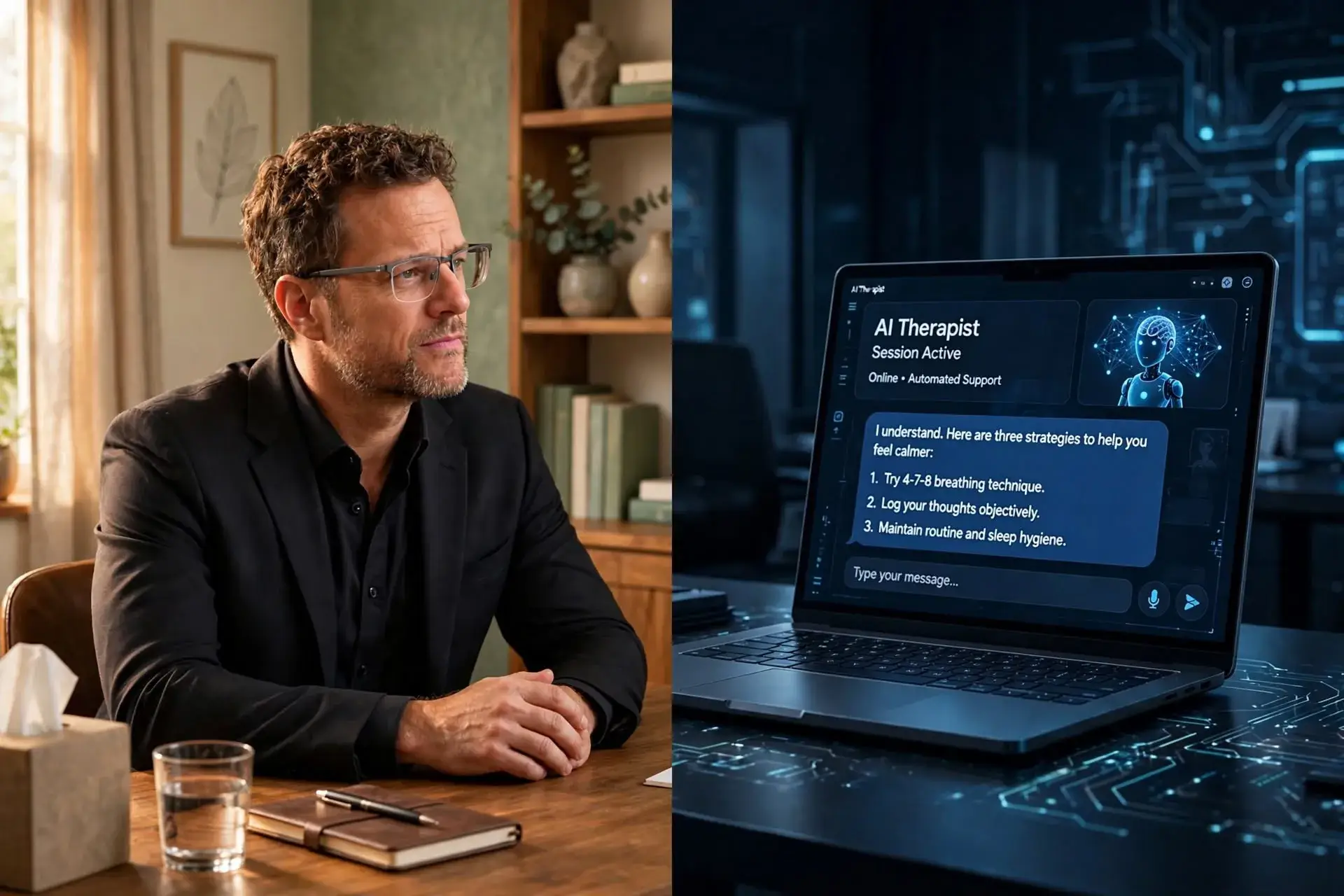
Artificial intelligence (AI) is rapidly changing the way we access information, including mental health advice. With AI chatbots available 24 hours a day, many people are turning to them for support with anxiety, depression, relationship difficulties and everyday stress. While AI can be a useful tool, it cannot replace the value of working with a qualified, experienced therapist.
At Live Well HQ, I believe that genuine human connection, empathy and understanding remain at the heart of effective counselling.
1. The importance of genuine human connection
One of the most important aspects of counselling is the relationship between a therapist and their client. Having someone who genuinely listens, understands and provides a safe, non-judgmental environment can make a significant difference to the therapeutic experience. Nothing beats that face to face contact.
AI can generate supportive responses and provide information, but it does not experience human emotions or form genuine relationships. A therapist can recognise emotional changes, notice body language and respond to the feelings behind what a client is saying.
Sometimes, what a person needs most is not advice or a solution, but simply someone who will sit with them, listen and help them feel understood.
"AI can answer a question in seconds. It cannot sit with you while you find the words."
2. Personalised support that understands your experiences
Every person has a unique life story, including their childhood experiences, relationships, challenges and personal circumstances.
While AI can provide general strategies for managing anxiety, depression or stress, a qualified therapist can explore the underlying causes of these difficulties and tailor therapy to the individual.
Through ongoing counselling, a therapist can identify patterns of behaviour, explore unresolved experiences and help clients develop practical strategies that suit their specific needs.
This individualised approach is particularly important when working with complex trauma, addiction, grief and relationship difficulties.
3. Professional experience and clinical judgement
Therapists bring professional training, clinical experience and ethical responsibilities to their work. They are equipped to assess mental health concerns, recognise potential risks and adapt their therapeutic approach as a client's needs change.
AI can sometimes provide inaccurate information or advice that is unsuitable for a person's circumstances. When someone is experiencing significant emotional distress, having a qualified professional who can assess their situation and provide appropriate support is particularly important.
4. Helping you make meaningful, lasting changes
Counselling is about more than finding quick answers to life's problems. It is an opportunity to develop self-awareness, build emotional resilience and make meaningful changes.
A therapist can gently challenge unhelpful thinking, help clients explore difficult emotions and encourage them to recognise patterns that may be holding them back.
Unlike an instant AI response, therapy is an ongoing process that allows clients to reflect, practise new skills and work towards their goals with professional guidance.
5. Can AI and therapy work together?
AI does have a place in mental health. It can help people access information, organise their thoughts and learn basic coping strategies. It may also complement professional therapy when used appropriately.
The human connection still matters
At Live Well HQ, I believe that everyone deserves to feel heard, understood and supported. Seeking counselling is not a sign of weakness; it is a positive step towards improving your mental health and wellbeing.
AI may offer convenience, but the human connection, professional understanding and personalised care provided by a therapist remain essential.
If you're struggling with life's challenges, consider speaking with a therapist. Sometimes, having someone genuinely listen can be the first step towards moving from surviving to truly living.
The human connection still matters
No chatbot can replace being genuinely heard by another person. If you're ready to explore a safe, non-judgemental space with someone who will listen properly and work with you over time, let's talk whenever you feel ready.