Why You May Need a Therapist When Dealing With Grief
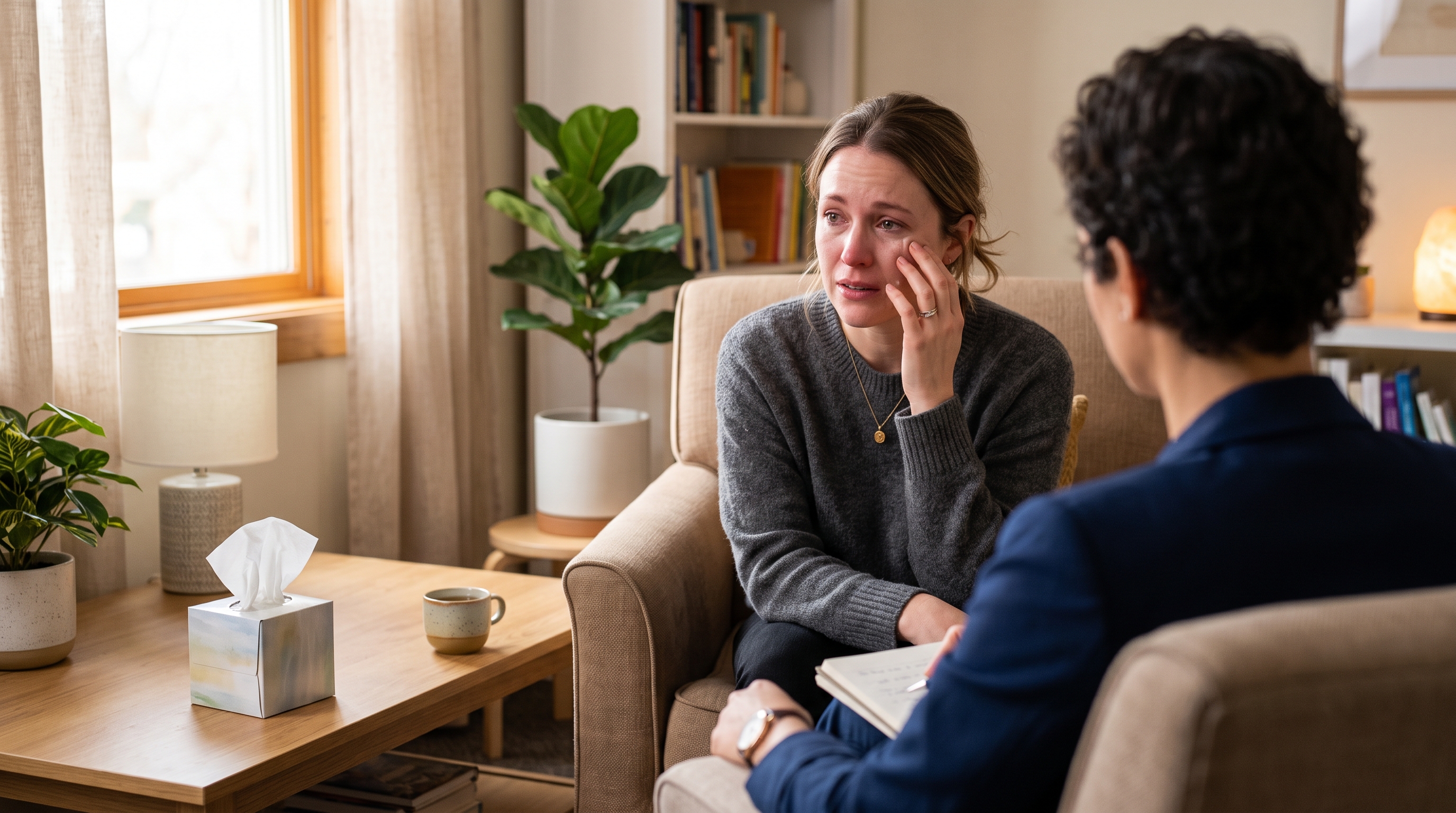
Losing someone you love can be one of the most painful experiences in life. Grief can affect your emotions, relationships, sleep, work and overall wellbeing. While grief is a natural response to loss, you do not have to go through it alone. Grief counselling and therapy can provide valuable support for people struggling to cope with the death of someone they love.
What Is Grief?
Grief is the emotional response we experience following a significant loss. Although grief is commonly associated with the death of a loved one, it can also follow the loss of a relationship, home, job, health or another important part of life.
Everyone experiences grief differently. Some people may feel sadness and loneliness, while others experience anger, guilt, anxiety, confusion or even relief. There is no single "right" way to grieve and no set amount of time that grief should last.
"Grief is not a problem to be solved. It is a loss to be carried — and you were never meant to carry it alone."
How Can a Therapist Help with Grief?
A grief therapist provides a safe and confidential environment where you can talk openly about your loss. Sometimes friends and family want to help but may not know what to say or may expect you to start feeling better after a certain period.
Therapy allows you to talk about your feelings at your own pace without worrying about making other people uncomfortable.
A therapist can help you:
- Understand and process difficult emotions
- Talk about memories and your relationship with the person you lost
- Manage feelings of guilt, anger, sadness or anxiety
- Develop healthy ways of coping with grief
- Rebuild confidence in everyday life
- Navigate changes in relationships and family dynamics
- Find ways to move forward while still honouring your loss
Why Is Grief Counselling Important?
Many people believe they should be able to handle grief on their own. However, seeking professional support is not a sign of weakness. Grief counselling can give you the time, space and guidance needed to work through emotions that may otherwise feel overwhelming.
Grief can also affect your physical health. Sleep problems, changes in appetite, exhaustion and difficulty concentrating are common during bereavement. When these difficulties continue or significantly interfere with everyday life, talking to a mental health professional can be particularly helpful.
When Should You See a Grief Therapist?
There is no specific point at which you "should" start therapy. Some people benefit from counselling soon after a loss, while others seek help months or even years later.
You may want to consider therapy for grief if you feel unable to cope with everyday activities, are experiencing overwhelming emotions, feel increasingly isolated, or simply need someone outside your family and friendship group to talk to.
You Don't Have to Grieve Alone
Healing from grief does not mean forgetting the person you have lost. Instead, therapy can help you discover ways to live with your loss while continuing to build a meaningful life.
If you are dealing with grief after the loss of someone you love, speaking with a qualified therapist can provide compassionate, professional support. Asking for help is not about giving up your connection to the person you lost. It is about finding a way forward while carrying their memory, love and importance with you.
You don't have to grieve alone
Grief can be one of the loneliest experiences a person can go through. If you're ready to explore a safe, non-judgemental space to talk about your loss at your own pace, we're here whenever you feel ready.